Knowing when a symptom turns from simply irksome into something you need to see a specialist about is tricky—especially when the symptom is only observable to you. Tinnitus, affecting over 25 million Americans,[1] is an internal ringing or buzzing that you can’t attribute to an external source. But that doesn’t make it any less real or impactful. Seeking expert help when you need it can make a significant difference in how tinnitus affects your life. Let’s look at a few signs it’s time to consult a specialist.
Tinnitus Presents With Other Symptoms
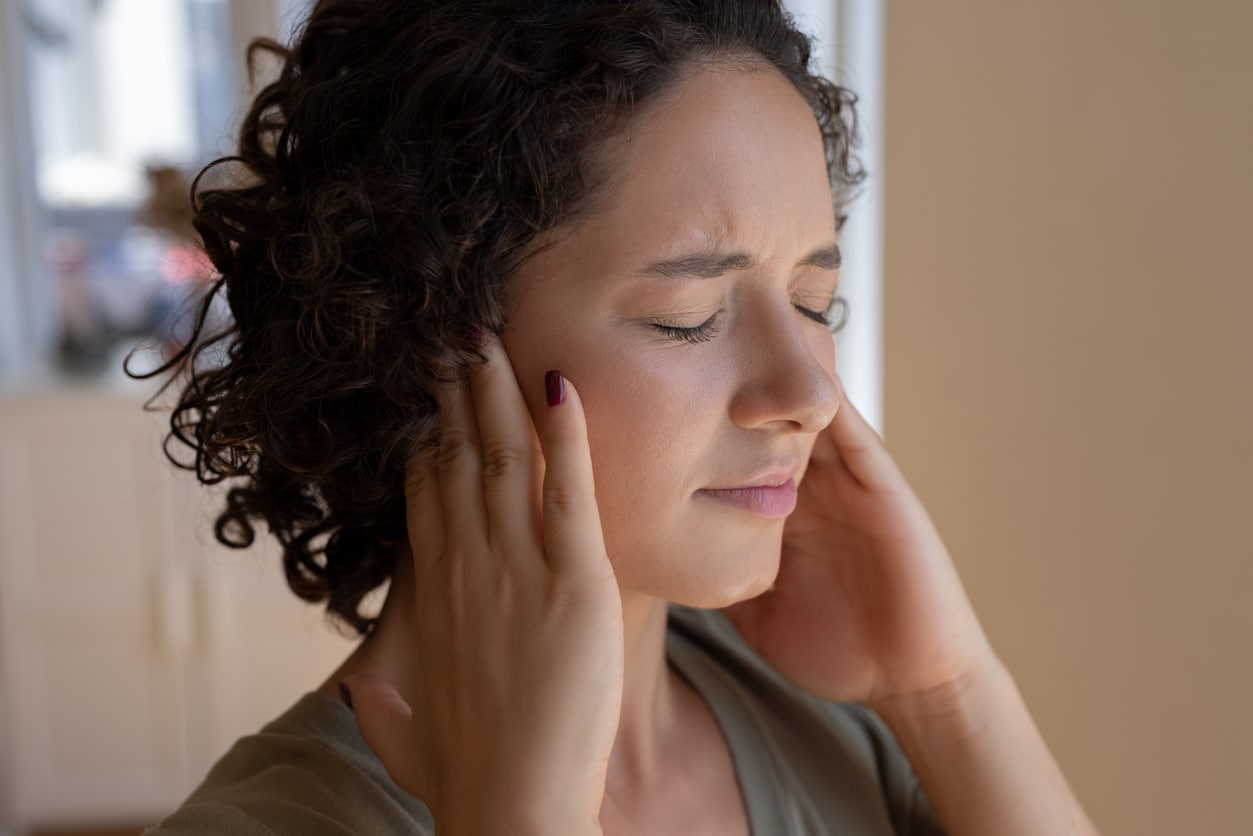
The inner ear houses the hearing and balance systems. When one part of the inner ear is damaged, damage to or symptoms from the other are possible. Tinnitus accompanied by vertigo, muffled hearing or dizziness could indicate other conditions, such as labyrinthitis or Ménière’s disease, that need to be addressed.
Tinnitus Impacts Your Life
Chronic tinnitus can disrupt your sleep, make it difficult to focus on work or school, cause frustration or irritability and even impact your relationships. The second tinnitus starts to interfere with your quality of life, you should seek help from a hearing and tinnitus expert.
Tinnitus is Worsening
Worsening tinnitus, whether it’s getting louder or arising more frequently, is a clear sign that you should see a specialist. Chances are, if your tinnitus is getting worse, so is the underlying condition contributing to it.
Because tinnitus isn’t a condition itself, but rather a symptom of another condition, we can’t cure it. However, we can help you manage the symptom to significantly reduce its impact. Management plans will vary depending on your specific tinnitus, but some common options include sound masking, tinnitus retraining therapy (TRT), cognitive behavioral therapy (CBT) or stress-relief techniques like meditation or yoga at Moon Lotus.
If tinnitus has become a bigger part of your life than you would like, call our experts at Amarillo Hearing Clinic to schedule your evaluation and management appointment.
[1] National Institute on Deafness and Other Communication Disorders. (2024). Quick statistics about hearing. U.S. Department of Health and Human Services, National Institutes of Health. https://www.nidcd.nih.gov/health/statistics/quick-statistics-hearing